
Everest Region Trekking
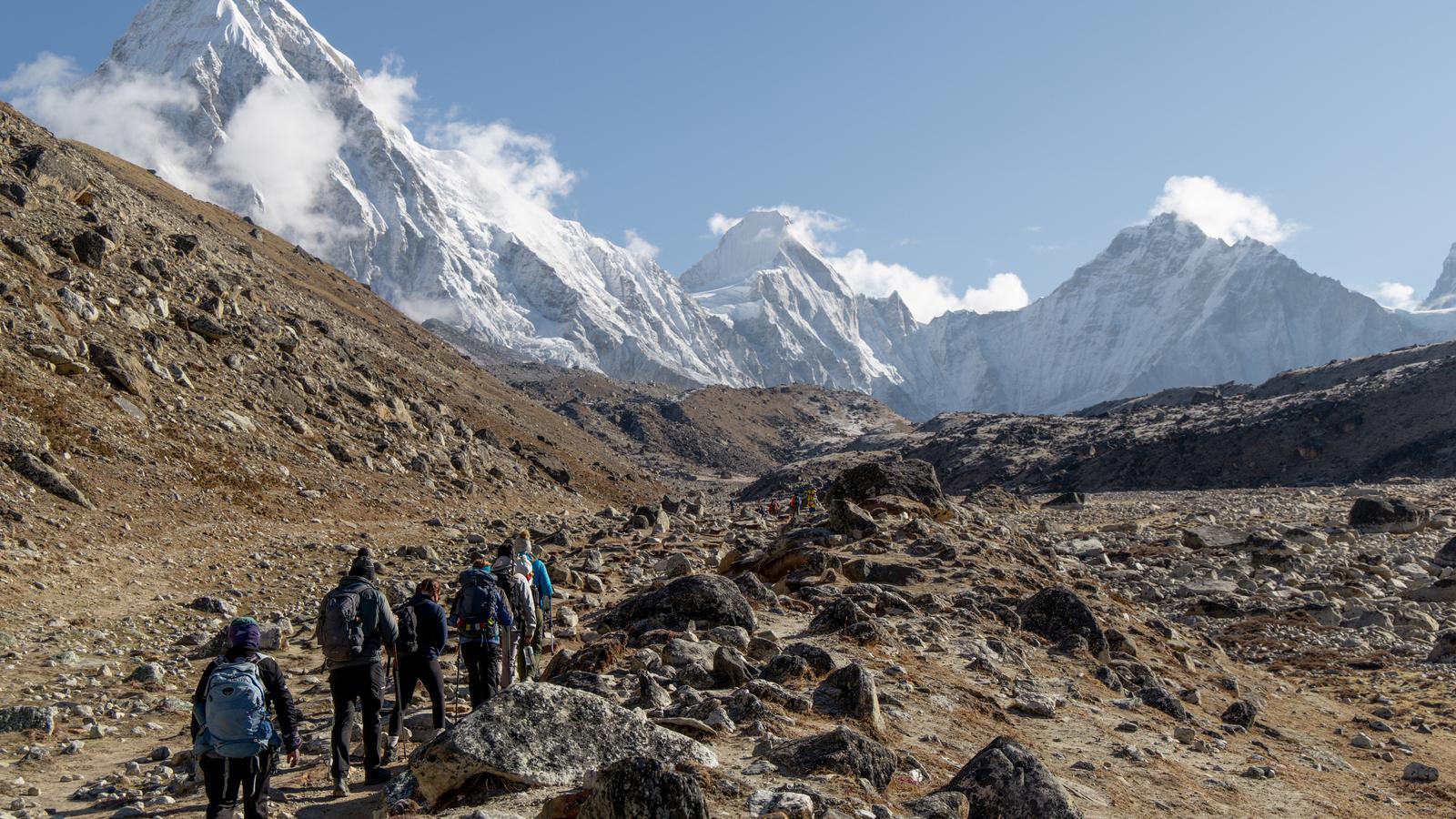
Mount Everest commands the crest of the planet like no other mountain. A trek to the Everest base camp isn’t only the ascent to 5,364 meters - it carries travellers on a Sherpa heartland where history of mountaineering lives and breathes. It’s more than a journey of ascent; it's a dive into legends of Himalayan summiting. From the moment your plane kisses Lukla's tilted runway to the initial gaze of Everest's pyramid massifs from Kala Patthar, every inch of the trekking trail takes travellers closer to nature.

World's Highest
Mountain Trek to Everest Base Camp (5,364m) with views of 8,849m summit and surrounding 8,000m peaks

Sherpa Heartland
Explore Namche Bazaar, Tengboche Monastery, and authentic Sherpa villages with Buddhist culture

Dramatic Landscape
Traverse Khumbu Valley with glaciers, icefalls, suspension bridges, and UNESCO-protected Sagarmatha National Park

Legendary Route
Follow the footsteps of Hillary and Tenzing on the world's most iconic trekking trail
Our Everest Region Trekking Packages
Pick from legendary classic routes, short run treks, or extended remote EBC TREK itineraries.

Everest Gokyo Lake Trek - 11 Days
Duration
11 Days
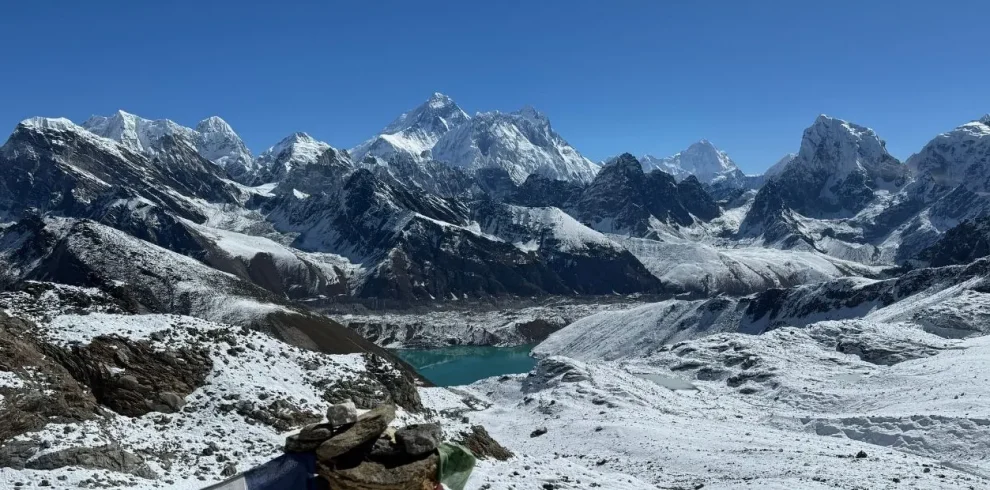
Everest Three High Passes Trek - 19 Days

Grade
Easy
Duration
19 Days

Everest Base Camp Trek - 14 Days
Duration
14 Days

Everest View Trek - 7 Days
Grade
Hard
Duration
7 Days

Region
Everest

Ama Dablam Base Camp Trek - 12 Days
Grade
moderate
Duration
12 Days
Begin Your Everest Dream - Top Tours
Ascend the journey of Edmond and Norgay conquest with exciting packages.
What Makes Everest Region Trekking Special
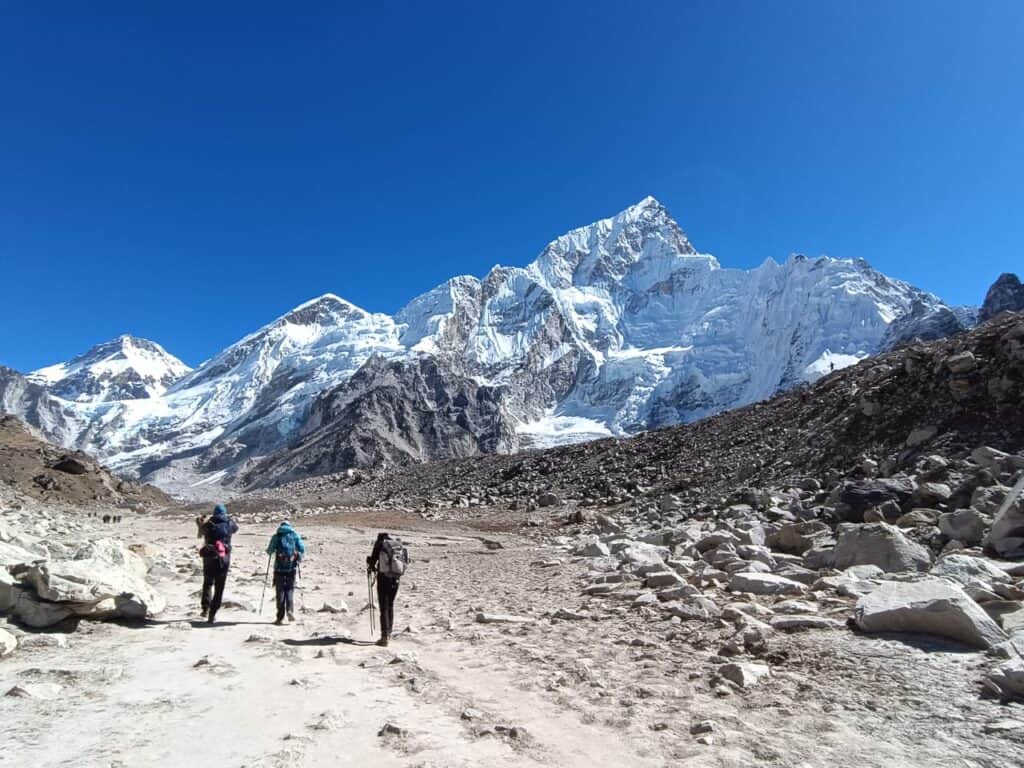
Kissing Everest Base Camp with soles of your feet ranks as trekking's most recognized feat. A journey to a quaint remote village, far more than a photo opportunity below nature’s lap - it’s a trip of cultural immersion, grit, splendid scenes, and connection with mountaineering history.
The Legendary Khumbu Valley

Sherpa Culture and Hospitality
A route of winding trails passing historical Sherpa villages - a place where mountaineering’s a livelihood and the legacy. Make way through ancient markets of Namche Bazaar, traditional commercial hub full trekkers bustle, traders hustle, and the grit of expedition teams. Meet hospitable locals and friendly monks of Tengboche Monastery offering blessings beneath Everest’s shadow.

World-Class Himalayan Scenery
Apart from Everest itself, valley settlements of Khumbu host the Himalayas' greatest gazes. Ama Dablam's perfect pyramid records as many camera snaps and pictures as the mighty Everest. Arises from the corner of eyes here the earth's highest walls. Island peak, Khumbu icefalls and Kalapathar add to the scenery here unlike any other mountain trails in the world.

Achievable Yet Challenging
Everest Base Camp trekking trail ascents require zero to no technical climbing skills, turning it accessible to trekkers in good health. With a few days' rest and acclimatisation amongst the warm locals, millions have conquered the trekking trails to Everest shadows.
| Category | Details | Best Options |
|---|---|---|
| Elevation Profile | 2,860m – 5,644m | Lukla: 2,860m | Namche Bazaar: 3,440m | Tengboche: 3,867m | Dingboche: 4,410m | Lobuche: 4,940m |
| Trek Variations | 6 Main Routes | EBC Standard: 12-14 days | EBC with Gokyo Lakes: 15-18 days | Three Passes: 18-21 days | EBC Luxury: 14-16 days (better lodges) |
| Best Trekking Seasons | Two prime windows | Spring (Mar-May): 15-20°C valleys, clear, crowded | Autumn (Sep-Nov): 10-15°C, perfect clarity, peak season |
| Trek Duration | 10-24 days | Short/Helicopter: 10-12 days (fly back) | Standard EBC: 12-14 days | EBC + Extensions: 15-18 days |
| Difficulty Rating | Challenging to Strenuous | Grade: 4-5/6 (Challenging) | Daily Walking: 5-8 hours | Max Altitude: 5,364m (5,644m Kala Patthar) |
| Daily Trekking Distance | 8-15 km per day | Average Gain: 400-700m on ascent days | Acclimatization: 2-3 rest days built in |
| Altitude Acclimatization | Strategic schedule | Namche: 2 nights (acclimatization hikes) | Dingboche: 2 nights (Nagarjun Hill day hike) | Ascent Rate: Max 400-500m sleeping altitude/day |
| Training Preparation | Physical conditioning | Cardio: 3-4 months hiking with elevation | Strength: Leg workouts, core stability | Practice Treks: 6-8 hour hikes with pack |
| Booking Timeline | Peak season planning | Oct-Nov & Apr-May: Book 2-3 months ahead | Lukla Flights: Book 3-4 months (critical) |
| Weather Patterns | Extreme variations | Namche (3,440m): 5-15°C day, -5 to 5°C night | EBC (5,364m): 0-10°C day, -10 to -20°C night |
| Cultural Etiquette | Buddhist traditions | Mani Walls: Pass on left side | Monasteries: Clockwise circumambulation | Photography: Ask permission (monasteries, people) |
Frequently Asked Questions About Everest Region Trekking
Spring (March to May) and autumn (September to November) are the most stable weather for making the trek. Excellent views of the Mountain massif are available in both the seasons but a deciduous trail blooms with colorful Rhododendrons only in spring.
The standard travel itinerary to trek takes 12-14 days. However, those fit enough can conquer the trek in a 7-8 days short time frame. It’s advised to make the journey in a shorter time period, if you live in snow fall regions or often go on hiking or trekking.
Since, April of 2023, Nepal mandated a guide for trekking into remote trekking and hiking trails for the safety of visitors and trekkers.


