
Trekking in Nepal - Explore Spine of Great Himalayan Range
Nepal’s home to the third pole of the planet Mt. Everest and 8 of the world’s top mountains.The Mountains here host great natural backdrops, remote mystic trails, montage of cultures and untamed natural landscapes. Explore the trekking routes in Nepal to find hospitable local and picturesque wonders,

Explore Nepal’s Best Trekking Regions
Ancient trails wind through emerald valleys to glacier-carved passes - Journey through Nepal's storied trekking landscapes
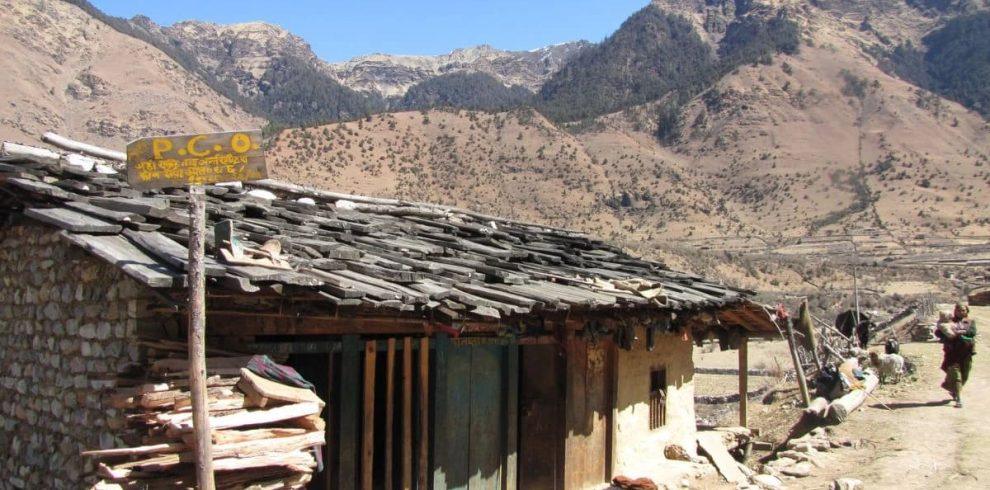
Guerrilla Trekking in Nepal - 16 Days

Grade
moderate
Duration
16 Days

Everest View Trek - 7 Days
Grade
Hard
Duration
7 Days

Region
Everest
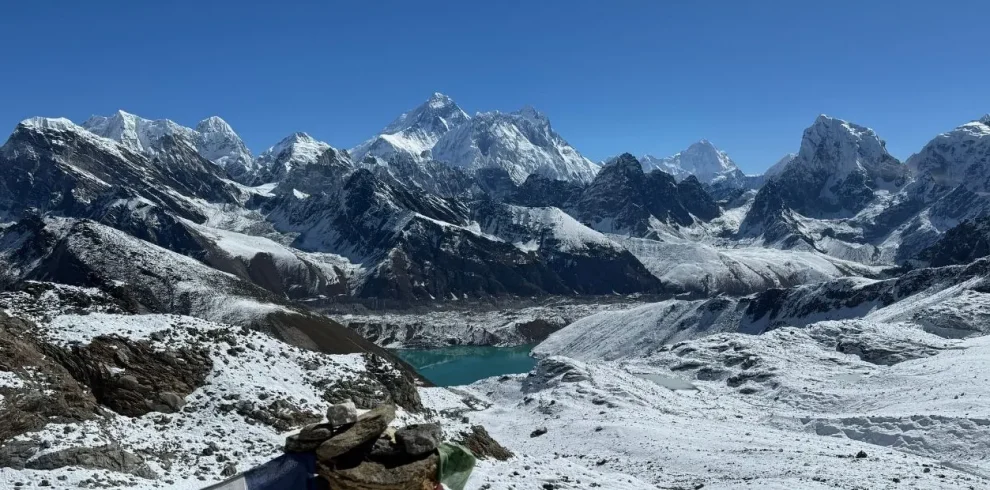
Everest Three High Passes Trek - 19 Days
Grade
Easy
Duration
19 Days
Why Trek Nepal’s Sacred Mountain Corridors?
Home to 14 of the world’s highest summits including Mount Everest, Nepal’s dramatic topography creates an unmatched tapestry of trekking possibilities. Each valley tells a different story, presenting trekkers with ever-changing landscapes, microclimates, and ecosystems that shift dramatically from one bend in the trail to the next.
A Theatre of Mountain Adventures
Trails for Every Trekker’s Ambition
High-Altitude Journeys:
From the iconic Everest Base Camp to the remote Manaslu Circuit, Annapurna Sanctuary to the wild Kanchenjunga region – Nepal offers hundreds of trekking routes ranging from gentle week-long walks to month-long expeditions. Each season opens new possibilities to witness the Himalayas from fresh perspectives.
Living Heritage on the Trail
Walk through time as you encounter Nepal’s remarkable cultural mosaic. Trading villages established centuries ago by Newari merchants sit alongside remote Sherpa hamlets, Gurung settlements terraced into impossible slopes, and Tamang communities preserving Tibetan Buddhist traditions. Despite their differences, these mountain people share a legendary warmth towards fellow travelers.
Nature’s Living Laboratory
Trek through Nepal’s exceptional range of life zones – from subtropical jungles alive with langur monkeys to high-altitude deserts where only hardy shrubs survive. Witness forests ablaze with rhododendron blooms, cross suspension bridges over turquoise rivers, traverse alpine pastures dotted with yaks, and keep your eyes open for elusive Himalayan wildlife including the red panda, snow leopard, musk deer, and Nepal’s national bird, the colorful Danphe.
Frequently Asked Questions About Trekking in Nepal
Planning your Himalayan adventure? Here are answers to the questions most trekkers ask before booking their journey.
It depends on your destination. Popular routes like Everest Base Camp and Annapurna Circuit require specific trekking permits and conservation area fees. Some restricted areas near the Tibetan border need additional documentation. Your trekking company handles all paperwork – you just need your passport and visa.
Fitness requirements vary by trek. Shorter low-altitude treks suit anyone in reasonable health who can walk 4-6 hours daily. Longer high-altitude routes demand better conditioning. If you have pre-existing health conditions or respiratory issues, consult your doctor and begin a walking regimen at least 6-8 weeks before departure.
Yes – fitness doesn’t prevent altitude sickness. As you climb above 3,000 meters, oxygen levels drop significantly. Even Olympic athletes can suffer from acute mountain sickness. Proper acclimatization with rest days built into your itinerary is essential for everyone, regardless of fitness level or previous trekking experience.


